
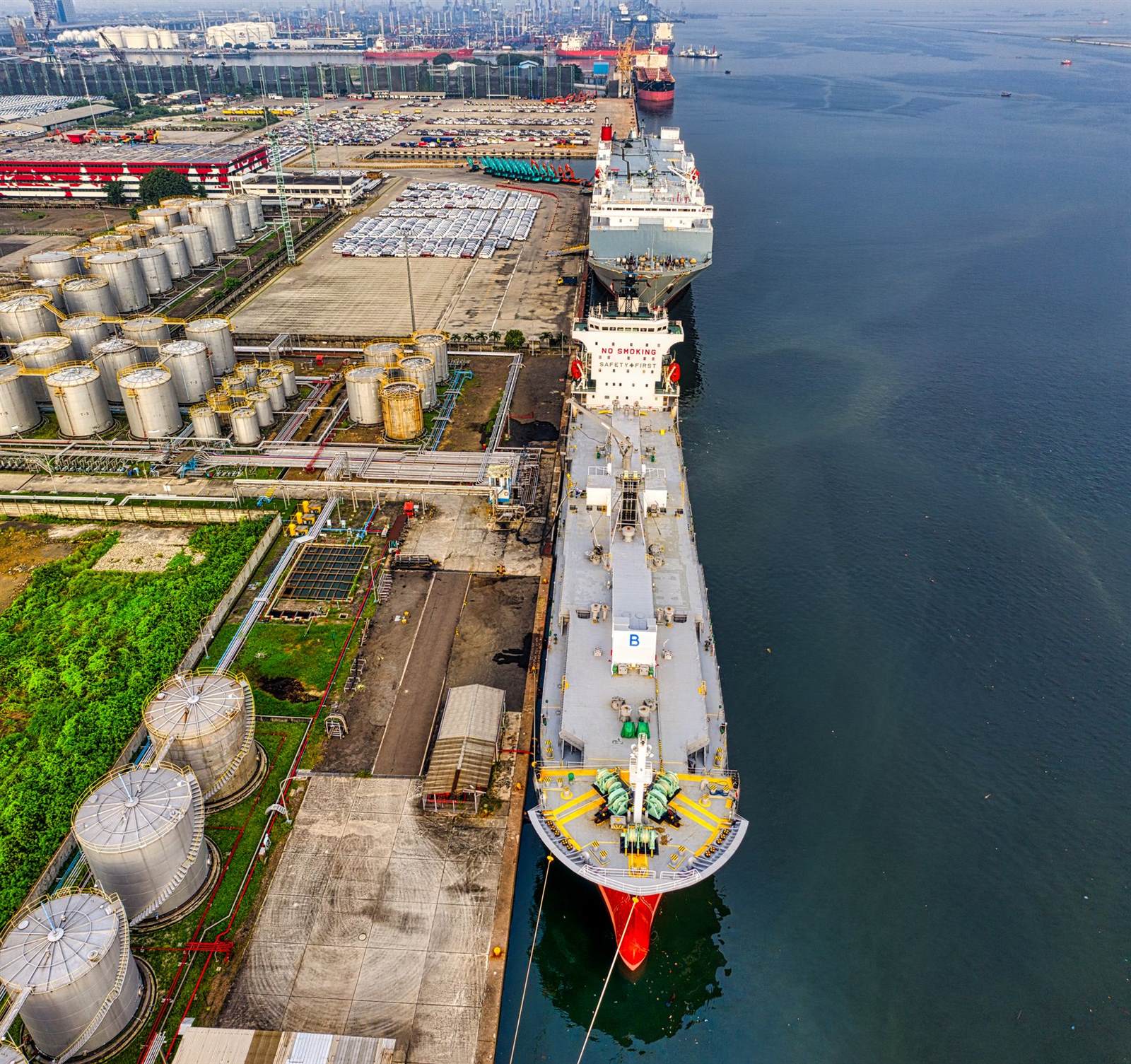
Delivery terms allocate cost and risk. For petroleum cargoes moved by sea, buyers most often meet FOB, CIF and CFR. The letters only work when a place is named.
The named place is part of the term
FOB needs a named port of shipment because that is where delivery on board happens. CIF and CFR need a named destination port because that is where the seller contracts the carriage to. “CIF worldwide” or “FOB any port” is not a workable instruction. Terminal rules, draft and the product’s handling needs can also limit which places are realistic.
A short comparison
Under the Incoterms framework published by the International Chamber of Commerce, FOB places the main carriage on the buyer. CIF and CFR place the contract of carriage on the seller. CIF also includes an insurance undertaking. CFR does not, unless the parties add it. Risk on these waterborne terms is commonly tied to loading on board, which is why buyers should read the rule rather than assume the seller bears risk until discharge. The edition, usually stated as Incoterms 2020 when that is what the contract adopts, should be written into the deal.
The supply terms page sets this out in a comparison table. It is not a legal opinion. If you already know the basis you prefer, include it when you submit a purchase request.